Aller au contenu

Ash Jewelry: A Contemporary Practice in Light of Social Science Research

Les bijoux pour cendres suscitent aujourd’hui un intérêt croissant, à la croisée des évolutions funéraires et des transformations du rapport au deuil.

Ash jewelry is attracting growing interest today, at the intersection of evolving funeral practices and changing relationships with grief. Once marginal, these practices are now part of a context in which cremation has become predominant and forms of commemoration are diversifying.

Ash Jewelry: Understanding a Practice in Transformation

Ash jewelry is gaining increasing attention today, at the crossroads of evolving funeral practices and shifting relationships with grief. While once considered marginal, these objects now emerge in a context where cremation has become predominant and memorial practices are diversifying.

So, what do social science studies actually tell us about these unique objects?

Beyond their emotional dimension, cremation jewelry raises broader questions. In particular, it reflects the individualization of rituals, the maintenance of a bond with the deceased, and the role objects play in shaping memory. Nevertheless, interpreting these practices requires nuance and must rely on solid empirical data.

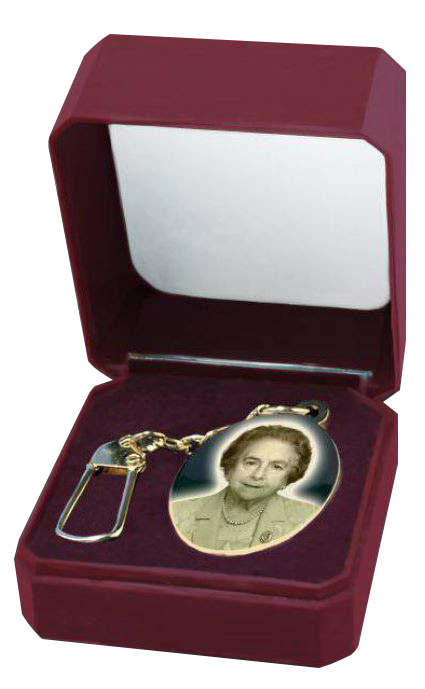
In practical terms, ash jewelry refers to objects designed to contain a small quantity of human or animal ashes. These items come in various forms, such as pendants, rings, bracelets, or lockets. This diversity clearly illustrates a key trend: the personalization of funeral practices.

Moreover, the emergence of ash jewelry should not be viewed as an isolated phenomenon. Instead, it forms part of a broader transformation in mourning practices, characterized by increased flexibility and a diversification of memorial forms. In other words, rather than representing a radical break, ash jewelry reflects one evolution among many.

The Rise of Cremation and Its Impact on Ash Jewelry

One of the primary factors behind the development of ash jewelry is the significant rise in cremation rates.

For instance, in Canada, cremation has become largely predominant. Current data shows that the cremation rate exceeds 75% nationwide and over 80% in Quebec. Similarly, in the United States, the trend continues to grow.

As a result, this evolution has tangible consequences. Unlike burial, cremation allows for greater flexibility in handling remains. Ashes may be kept, scattered, or divided. This last option is particularly important, as it enables the creation of objects such as ash jewelry.

Consequently, funeral practices are becoming less centralized. Whereas they were once focused primarily on cemeteries, they are now extending into more diverse spaces, including homes, natural environments, and personal objects. In this context, ash jewelry plays a meaningful role in this transition.

However, it is essential to emphasize that this shift does not signal the disappearance of traditional practices. On the contrary, it reflects a diversification of available options, allowing individuals and families to choose how best to honor their loved ones.

Diversification of Funeral Practices and New Forms of Memory

Research clearly indicates that the uses of ashes have diversified over time. While many families choose to keep ashes at home, others prefer scattering them. Between these two approaches, new practices continue to emerge.

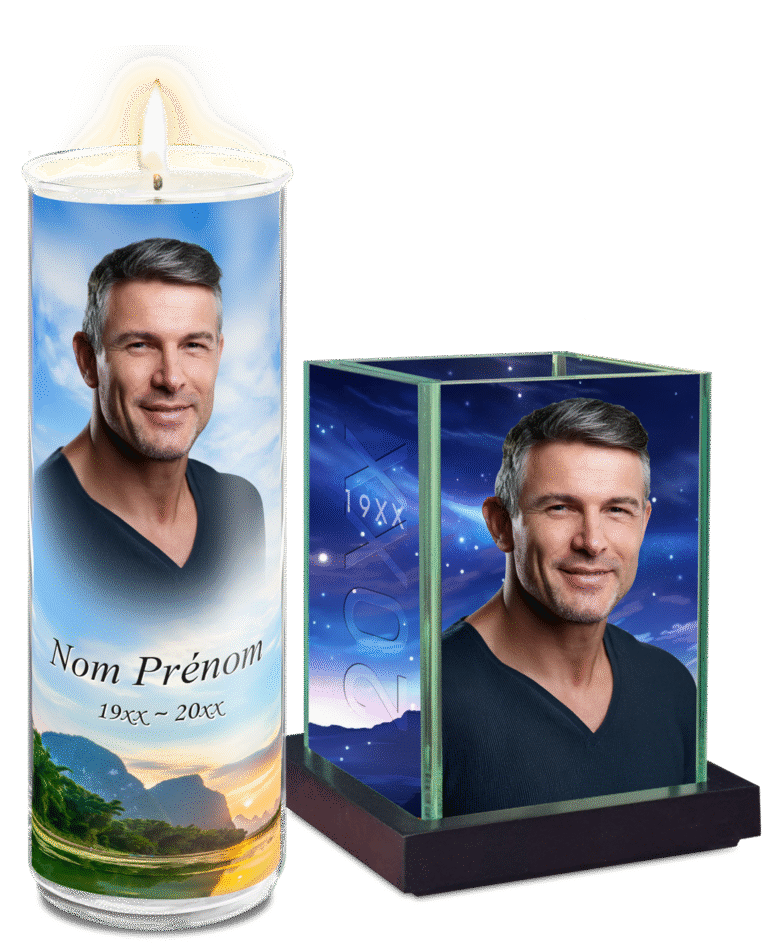
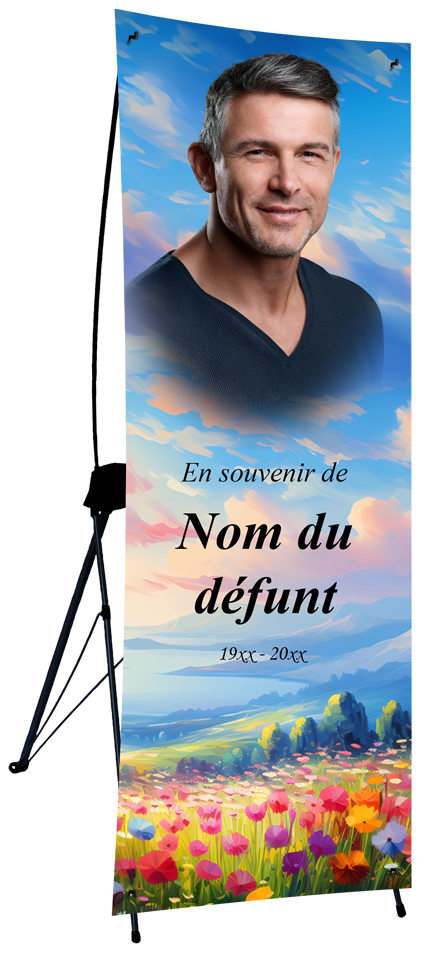
Among these, commemorative objects are becoming increasingly significant. Ash jewelry is part of this trend, although its exact level of adoption remains difficult to quantify.

Furthermore, qualitative studies reveal that families often adopt hybrid practices. For example, a portion of the ashes may be scattered, while another portion is preserved in the form of an object. This combination highlights a more flexible and personalized approach to mourning.

More broadly, this phenomenon reflects a shift within Western societies, where rituals are becoming less standardized. Rather than disappearing, social norms are evolving and adapting to new expectations.

In practical terms, this translates into greater freedom in how tribute is expressed. Within this framework, ash jewelry represents one option among others, offering a discreet and portable way to materialize memory.

Individualization of Grief and the Role of Ash Jewelry

The individualization of grief plays a central role in understanding the development of ash jewelry. Indeed, many researchers have identified a shift toward more personalized mourning practices.

This evolution is evident in several ways. Ceremonies can now be adapted to individual preferences, memorial spaces are more diverse, and commemorative objects are increasingly customized.

That said, it is important to nuance this perspective. Social norms have not disappeared; rather, they have become more flexible. Mourning continues to be shaped by cultural expectations, even if these are less rigid than in the past.

Within this context, ash jewelry can be seen as one expression of this individualization. It allows individuals to establish a personal and ongoing relationship with the memory of the deceased.

However, it would be overly simplistic to consider it a universal solution. Its meaning and use vary widely depending on individuals, cultures, and circumstances. While some find deep significance in it, others prefer more traditional forms of remembrance.

The Role of Objects in the Grieving Process

Objects play a significant role in the grieving process, as demonstrated by numerous studies in the social sciences. They often act as both memory supports and emotional mediators.

From this perspective, ash jewelry belongs to a broader category of commemorative objects. Although not unique in itself, it represents a specific way of materializing memory.

In addition, qualitative research suggests that such objects help maintain a symbolic presence of the deceased. This concept of “absent presence” enables individuals to integrate memory into their daily lives.

Nevertheless, these findings are primarily based on qualitative data. While they provide valuable insight into personal experiences, they cannot be generalized to the entire population.

Therefore, the significance of ash jewelry should be understood within this framework: meaningful for some, but not universally applicable.

Ash Jewelry and Maintaining a Bond with the Deceased

The concept of “continuing bonds,” developed in grief studies, offers valuable insight into the role of ash jewelry.

According to this approach, many individuals maintain an ongoing symbolic relationship with the deceased. This connection may be expressed through memories, rituals, or objects.

In this sense, ash jewelry can serve as one of these supports. By containing a small portion of ashes, it creates a tangible sense of proximity.

However, this concept is not universal. Research shows that approaches to grief vary significantly depending on personal and cultural contexts. While some individuals seek to maintain a close connection, others prefer distance.

For this reason, it is essential to avoid generalizations. Ash jewelry does not fulfill a universal need but rather responds to specific experiences.

Limits of Research on Ash Jewelry

Despite its growing visibility, ash jewelry remains relatively under-researched. In particular, the lack of quantitative data represents a notable limitation.

Most analyses rely either on broader theoretical frameworks or on studies of similar commemorative objects. As a result, interpretations must be approached with caution.

Additionally, commercial visibility may introduce bias. Online platforms and social media can create the impression that these practices are more widespread than they actually are.

Finally, significant variations exist across cultures, social contexts, and individual preferences. This diversity further complicates any attempt at generalization.

Taken together, these limitations highlight the need for a nuanced and rigorous approach to the subject.

What Place Does Ash Jewelry Hold Today?

Today, ash jewelry occupies a unique position within contemporary funeral practices. It is neither a dominant norm nor a rare exception, but rather one option among many.

Its presence reflects several broader trends, including the rise of cremation, the diversification of ash-related practices, and the transformation of mourning rituals.

However, due to the lack of precise data, it remains difficult to accurately assess its prevalence or significance.

Ultimately, ash jewelry can be understood as one possible expression of modern mourning practices. It illustrates how individuals adapt to social changes in order to create meaningful and personalized forms of remembrance.

FAQ

Is ash jewelry legal?
Yes, in most countries, it is permitted, provided local regulations regarding ashes are respected.

Can all ashes be placed in jewelry?
No, only a very small symbolic quantity is typically used.

Is ash jewelry common?
It is becoming more visible, although precise statistics are lacking.

Is it a recent practice?
Relatively recent, but part of broader changes in funeral customs.

Does everyone find meaning in it?
No, its significance varies widely depending on individuals and cultures.

Are there alternatives?
Yes, including scattering, urns, or other commemorative objects.

Conclusion

Ash jewelry provides a valuable lens through which to examine contemporary transformations in mourning practices. Through its development, several key trends become apparent, including diversification, increasing personalization, and the importance of objects in memory construction.

Nevertheless, its interpretation must remain cautious and grounded in available data. In the absence of in-depth research, it should be viewed as one possibility among many rather than a universal norm.

For more information, do not hesitate to contact us, and we will be happy to respond as promptly as possible.

See our memorial items

See our memorial items