Fragrance and Emotional Grief
Grief is a deeply personal journey—raw, emotional, and filled with unexpected triggers. While photos and keepsakes may preserve a loved one’s image, fragrance and emotional grief often intertwine in surprising and intimate ways. A single scent can transport you to a shared moment, ignite a comforting memory, or evoke a wave of sadness so real it feels like time has folded in on itself.
In this article, we explore how fragrance serves as an emotional anchor, its deep ties to memory and healing, and how it can be consciously integrated into the grieving process to support connection and comfort.
The Science Behind Scent: Why Smell Triggers Emotion So Powerfully
Unlike vision or hearing, the sense of smell is directly linked to the brain’s limbic system—the emotional and memory hub. This intimate connection means that when we smell something, we don’t just process it—we feel it.
This is famously illustrated by the “Proustian effect”, inspired by Marcel Proust’s description of how the smell and taste of a madeleine brought back an avalanche of childhood memories. For grievers, this same effect can be both heart-wrenching and healing. A familiar scent becomes a bridge to someone who is no longer physically present.
When Scents Become Living Memories
The scent of a loved one’s cologne, shampoo, clothing, or even their home can evoke their presence with a force that words or photos simply can’t match. Many grieving individuals hold onto unwashed garments, pillows, or scarves simply because they retain that unique fragrance—a sensory memory that transcends time.
“I keep her scarf in a small box. Sometimes I just open it to smell… and for a moment, she’s here again.” — Anne, 58
Beyond personal items, scents tied to shared experiences—like the aroma of coffee brewing, pine trees at a cabin, or fresh bread on Sunday mornings—can instantly bring back cherished memories. These aren’t just smells; they are emotional landmarks that reconnect us with the past.
The Healing Role of Aromatherapy in Emotional Grief
A growing body of research confirms that aromatherapy can support emotional wellness, especially during periods of grief and loss. Scents like lavender, sandalwood, chamomile, and vanilla are known to:
- Reduce anxiety and stress
- Improve sleep quality
- Promote a sense of calm and safety
Incorporating a scent associated with a loved one—or even one chosen for its soothing properties—into your environment can transform painful memories into a source of comfort. Whether it’s lighting a scented candle, adding a few drops of essential oil to a diffuser, or simply spraying a familiar fragrance onto a scarf, these rituals offer an emotional release.
Scented Memorial Objects: Tangible Memories in the Air
In today’s memorial space, scented remembrance items are becoming increasingly popular and meaningful. These objects combine the emotional weight of scent with the tactile presence of a keepsake.
Popular options include:
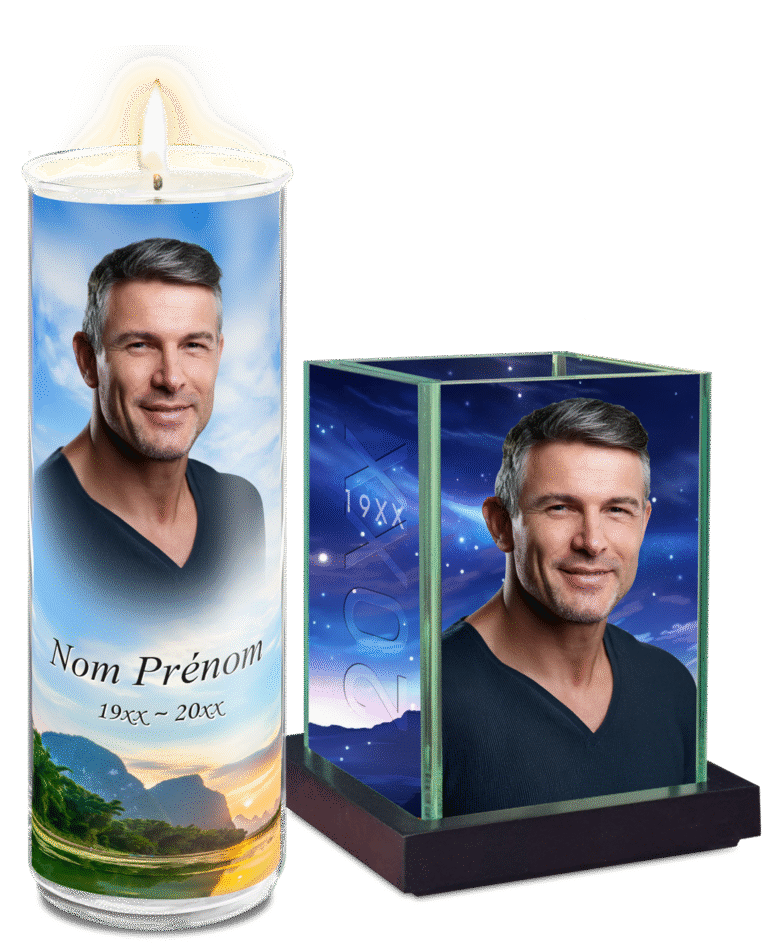
- Customized memorial candles with a scent that reflects the deceased’s personality
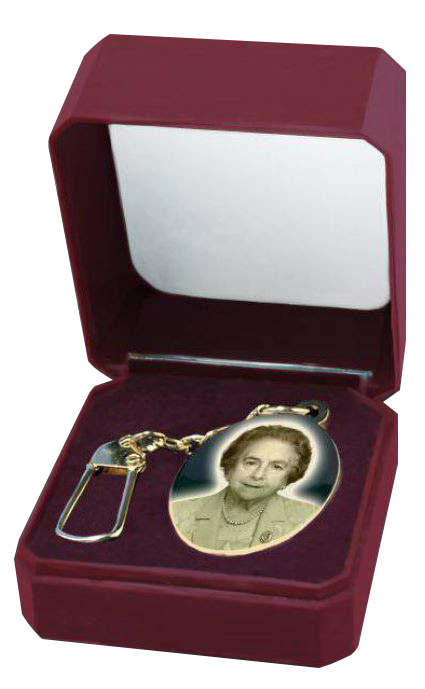
- Perfumed keepsakes, such as keychains or lockets with microcapsules that slowly release a fragrance
- Recreated personal fragrances crafted by specialty perfumers
- Preserved clothing items stored in airtight containers to retain the original scent
Each of these items becomes more than a memento—they are portable sources of presence, allowing grief to be expressed in a deeply personal, non-verbal way.
When Fragrance Hurts: Coping with Emotional Overload
While scent can be healing, it can also be overwhelming. For some, the sudden experience of a familiar smell—especially in the early stages of grief—can trigger intense emotional reactions: tears, anxiety, even panic.
Here’s how to manage scent-based grief triggers:
- Pause and acknowledge the reaction without judgment
- Store heavily scented items out of reach temporarily
- Reintroduce them slowly, within a comforting ritual or structure
Grief has no roadmap. What offers comfort to one may cause distress to another. The key is to let scent support your journey—not derail it.
Fragrance as an Unspoken Language of Love and Loss
In many cultures where grief is processed quietly or inwardly, fragrance becomes a nonverbal expression of mourning. Lighting a candle, holding a scented object, or applying a drop of cologne becomes a ritual of presence—a private act of remembrance.
Fragrance can also be an intergenerational legacy. Passing down a scent—through a preserved bottle of perfume or a scented keepsake—gives children or grandchildren a sensory glimpse into the life and essence of someone they may not have known.
Creating Personal Scent Rituals for Grieving
Want to intentionally use fragrance as part of your healing journey? Consider integrating scent into daily or milestone rituals. Here are a few ideas:
- Create a memorial corner at home with a photo, a candle, and a cherished scent
- Light incense or spray perfume on birthdays, anniversaries, or holidays
- Work with a custom perfumer to design a fragrance that embodies your loved one
- Diffuse essential oils during moments of reflection, meditation, or prayer
These routines can bring emotional structure to the grieving process, anchoring you in love rather than loss.
Fragrance as a Lasting Emotional Connection
“When I spray his cologne on my scarf, it’s not to feel sad—it’s to feel him close. Just for a moment.” — Lise, 46
Grief transforms relationships. Fragrance allows us to maintain a connection, even after death. It’s invisible, yet profoundly real. It reminds us that while the person may be gone, their presence—through scent—can still comfort, ground, and support us.
Conclusion: Scent as a Bridge Between Memory and Healing
In the storm of grief, fragrance offers a quiet kind of magic. It travels through time, bypassing logic, and reaches straight into the heart. By embracing the role of scent in mourning, we allow ourselves to feel more, remember more, and heal more.
Fragrance doesn’t erase the pain of loss—but it softens the edges. It wraps us in memory, surrounds us with presence, and transforms absence into an enduring emotional bond.
Whether it’s a cologne worn daily, the comforting aroma of lavender in a quiet room, or a custom candle lit on a special day—scent makes grief tangible, and memory eternal.
Final Thoughts
In the silence of grief, scents become invisible guides—crossing time, tears, and unspoken words. Integrating fragrance into mourning offers a sensory path to healing, a gentle presence that lingers when words fall short.
Fragrance doesn’t replace absence—but it softens it. It creates an invisible bridge between past and present, turning each breath into a quiet, lasting tribute.
FAQs
Why does scent trigger such strong memories of a lost loved one?
Because smell is directly linked to the brain’s emotional core. A single fragrance can instantly awaken a buried memory.
How can fragrance help me through grief?
Used as part of a ritual—through candles, scarves, or a few drops on the skin—fragrance offers a calming, reassuring link to your loved one.
What if a scent feels too painful?
Put the item aside temporarily. Reintroduce it slowly and only when you feel ready—on your terms.
Can I create a scent to honour someone I’ve lost?
Yes. Many perfumers now offer personalized blends that reflect the memory of a loved one through meaningful notes.
What objects can I use to include scent in my grieving process?
Examples include: scented candles, preserved clothing, essential oil diffusers, or a bottle of their signature perfume.
For more information, do not hesitate to contact us, and we will be happy to respond as promptly as possible.