Organizing Eco-Friendly Funerals in Quebec and Canada
In recent years, interest in eco-friendly funerals in Quebec and Canada has grown significantly. More and more families want funeral rites to reflect not only the personal values of the deceased, but also a greater awareness of environmental issues.
Toward More Environmentally Respectful Funerals
This trend is part of a broader movement toward more responsible practices: local consumption, waste reduction, sustainable materials, and thoughtful choices. When it comes to organizing funerals, these concerns can also help guide decisions.
However, it is important to understand a reality that is often overlooked: there is not always a perfectly eco-friendly funeral solution. Environmental impact depends on many factors, including available infrastructure, provincial regulations, and the logistical choices made by the family.
Organizing more environmentally respectful funerals therefore generally means reducing certain impacts at different stages of the process, rather than following a single universal formula.
In this article, we explore the different dimensions of eco-friendly funerals in Quebec and Canada to help families make informed, realistic, and value-consistent decisions.
Understanding Eco-Friendly Funerals in Quebec and Canada
Eco-friendly funerals in Quebec and Canada aim to reduce the environmental footprint associated with traditional funeral practices. This approach is based on a broad perspective: every stage — from transportation to the ceremony — can influence ecological impact.
Contrary to some common assumptions, green funerals are not simply limited to natural burial. They include a range of decisions that may involve:
- using biodegradable materials
- reducing chemical products
- holding simpler ceremonies
- limiting disposable items
- reducing travel for loved ones
The Main Factors That Influence Environmental Impact
The ecological footprint of a funeral service can vary depending on several important elements:
| Factor | Potential Impact |
|---|---|
| Transportation of the deceased and loved ones | Energy consumption and emissions |
| Manufacturing of caskets and urns | Use of natural resources |
| Funeral equipment or crematoriums | Energy consumption |
| Cemetery development and upkeep | Long-term maintenance |
| Length and complexity of ceremonies | Logistics and resources used |
As a result, two funerals can have very different impacts depending on the choices made.
A Gradual and Realistic Approach
In many regions of Quebec and Canada, some eco-friendly options remain limited. For example, not all cemeteries yet offer sections dedicated to natural practices.
That is why the most realistic approach is often to reduce environmental impact progressively, by making consistent choices throughout the planning process.
Planning Eco-Friendly Funerals in Quebec and Canada: Discussing Wishes
Organizing eco-friendly funerals in Quebec and Canada generally begins with an open discussion between the loved ones of the deceased and funeral professionals.
Every family has different priorities. Some want a very simple ceremony, while others mainly want to avoid certain products or materials.
Clarifying the Deceased’s Wishes
Whenever possible, it is best to respect the wishes expressed by the deceased. Several elements can be discussed:
- preference for burial or cremation
- desire for a traditional or simplified ceremony
- choice of natural materials
- desire to limit certain chemical products
These discussions help avoid rushed decisions and ensure that the tribute truly reflects the personality of the deceased.
Taking the Regulatory Framework into Account
In Quebec and elsewhere in Canada, funeral services are governed by provincial rules. Some practices may be limited depending on:
- health standards
- municipal regulations
- cemetery requirements
- the capabilities of funeral establishments
It is therefore essential to verify the actual options available in the region before planning certain aspects.
Personalized Planning
In practice, eco-friendly funerals often rely on a combination of decisions: the choice of casket, the length of the ceremony, the type of reception, or even the nature of memorial items.
Each decision can help reduce the overall environmental impact.
Body Preparation in an Ecological Approach
Body preparation is an important step in organizing eco-friendly funerals in Quebec and Canada.
Traditionally, some ceremonies include embalming, a process that uses chemicals to slow the decomposition of the body.
Why Some Families Avoid Embalming
In an ecological approach, some families prefer to avoid this process because of the use of chemical substances.
In certain situations, simpler preparation may be considered, especially when:
- the funeral takes place quickly
- the ceremony is organized locally
- certain preservation conditions are met
This option, however, depends on several logistical factors.
Factors That Influence This Decision
Several factors may make embalming necessary or recommended:
- time before the funeral
- long-distance transportation of the deceased
- requirements of the funeral establishment
- local health regulations
Each situation must therefore be assessed individually.
Finding a Balance Between Tradition and the Environment
In many cases, the goal is not to eliminate all traditional practices, but rather to find a balance between respecting funeral rites and reducing environmental impact.
Funeral professionals can often suggest different options adapted to the family’s wishes.
Natural Burial: An Option That Is Still Limited
Natural burial is often associated with eco-friendly funerals in Quebec and Canada because it prioritizes the use of biodegradable materials and limits artificial interventions.
In this type of burial, the body is generally placed in:
- an untreated wooden casket
- a cardboard casket
- a biodegradable shroud
A Practice Still Not Widespread in Quebec
Despite growing interest in ecological practices, sections dedicated to natural burial are still relatively rare in many regions.
Many cemeteries still require:
- a burial vault
- specific installations
- certain maintenance standards
These requirements can limit the implementation of fully natural burials.
Points to Check Before Choosing This Option
Before opting for an eco-friendly burial, it is advisable to verify:
- whether the cemetery offers a natural section
- the types of caskets allowed
- whether a burial vault is required
- the rules regarding monuments or markers
Some eco-friendly sections, for example, favor discreet or natural markers rather than traditional monuments.
Cremation and Its Environmental Impact
Cremation is now the most common method of disposition in Canada.
Although it is often perceived as simpler than burial, it also has an environmental impact related to the energy consumption required for the combustion process.
Understanding the Ecological Footprint of Cremation
Cremation involves:
- a very high temperature
- significant fuel consumption
- certain emissions related to combustion
This does not mean that cremation is incompatible with an ecological approach.
Reducing the Overall Impact of the Ceremony
Families who choose cremation can reduce environmental impact in several ways:
- using a biodegradable urn
- organizing a local ceremony
- reducing guest travel
- choosing reusable decorations
A Broader View of Funerals
In this context, the ecological approach often depends on the full set of decisions made around the ritual, rather than on the method of disposition alone.
Materials and Items Used During the Ceremony
When organizing eco-friendly funerals in Quebec and Canada, several material choices can influence the environmental footprint of the event.
Eco-Friendly Caskets and Urns
Some more sustainable alternatives are available today:
- untreated wooden caskets
- recycled cardboard caskets
- biodegradable urns
- urns made from natural materials
These options often make it possible to reduce the use of processed materials or chemical products.
Clothing and Decorations
Other elements can also be chosen with an ecological approach in mind:
- clothing made from natural fibers for the deceased
- local or seasonal flowers
- living plants
- reusable decorations
These choices help limit waste production.
The Reception After the Ceremony
The reception following the funeral can also be organized more responsibly:
- using reusable tableware
- reducing disposable packaging
- choosing local suppliers
These decisions may seem modest individually, but together they help reduce the overall impact.
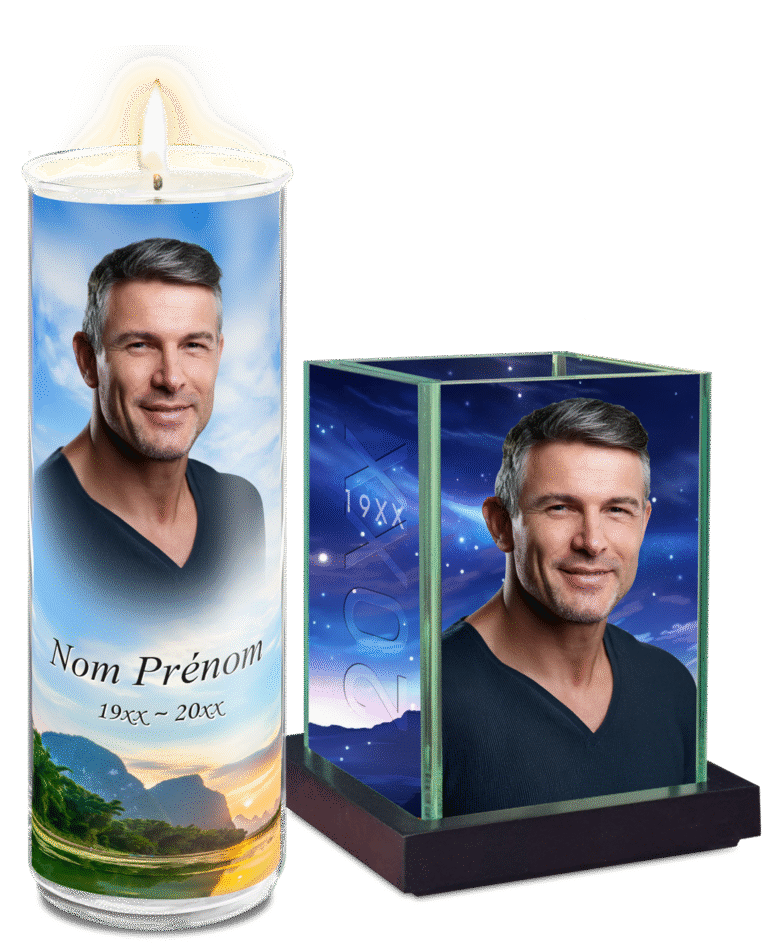
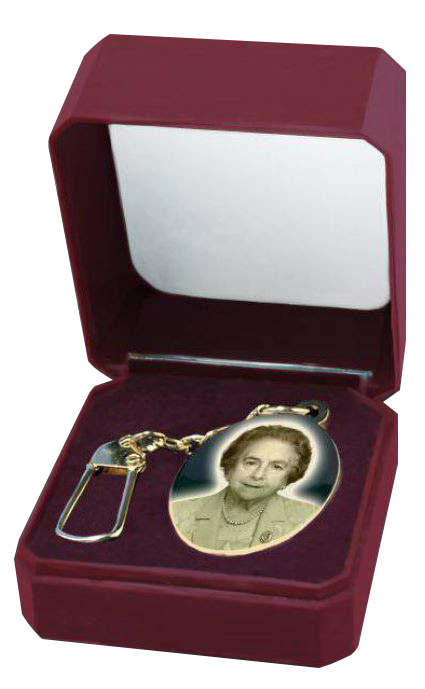
Memorial Items and Lasting Keepsakes
Memorial items are often an integral part of funerals.
In an ecological approach, many families seek to favor more durable and meaningful keepsakes.
Keepsakes Designed to Last
Among the options often preferred:
- useful memorial items
- handmade keepsakes
- locally made products
The goal is to create items that will be kept for a long time rather than thrown away.
Reducing Printed Materials
Many ceremonies include memorial cards or printed programs.
To limit environmental impact, some families choose:
- limited print runs
- recycled paper
- digital versions
These alternatives help preserve the symbolic dimension while reducing resource consumption.
To learn more about eco-friendly practices in different areas of everyday life, you can consult specialized resources such as:
https://www.greenburialcouncil.org/
FAQs
What are eco-friendly funerals?
Eco-friendly funerals are funeral practices designed to reduce the environmental impact of ceremonies and body disposition methods.
Are eco-friendly funerals available everywhere in Quebec?
Some options exist, but not all regions yet have the infrastructure or eco-friendly cemetery sections available.
Is natural burial allowed in Quebec?
Yes, but it is still limited. Few cemeteries currently offer sections fully dedicated to this type of burial.
Is cremation more eco-friendly than burial?
It depends on many factors, including energy consumption and the choices made around the ceremony.
Can an eco-friendly ceremony be organized with traditional funerals?
Yes. Even with traditional practices, it is possible to reduce environmental impact by choosing sustainable materials and limiting certain elements.
Are eco-friendly caskets available in Canada?
Yes, several companies now offer caskets made of untreated wood, recycled cardboard, or other biodegradable materials.
Conclusion
Organizing eco-friendly funerals in Quebec and Canada does not depend on a single universal solution. Each family must work within the available resources, regulations, and the wishes of the deceased.
The most realistic approach generally consists of making a series of consistent choices, such as:
- favoring biodegradable materials
- limiting chemical products when possible
- reducing travel
- using durable memorial items
Even though some practices — such as natural burial — are still not widespread in many regions, growing interest in more environmentally respectful funerals is gradually encouraging the evolution of funeral practices.
By making thoughtful decisions at each stage, it becomes possible to create a tribute that is both respectful of the memory of the deceased and mindful of the environment.
For more information, do not hesitate to contact us, and we will be happy to respond as promptly as possible.