The spiritual meaning of the scattering of ashes

After a death, loved ones often have to make several important decisions. Among them, the question of ashes holds a special place.
For some families, dividing the ashes meets a practical need. For others, however, it carries a much deeper meaning. In that case, this choice can be part of a process of mourning, remembrance, and tribute.
An intimate choice, often rich in meaning
Today, the scattering or division of ashes is becoming an increasingly common funeral practice after cremation. Yet behind this decision, there is more than just a question of organization. Very often, there is an intention, an attachment, and a way of continuing to honor the person who has passed away.
Some people see it as a form of peace. Others speak instead of continuity, a return to nature, or a symbolic bond with the deceased. Meanwhile, others prefer to approach this choice without any particular religious dimension, as a simple act of remembrance.
Scientific research does not validate spiritual interpretations in the strict sense. However, it clearly shows that funeral rituals and commemorative practices can help loved ones through the grieving process, preserve the memory of the deceased, and give meaning to loss.
In this article, we will explore the spiritual meaning of dividing ashes, as well as the symbolism of ashes, the role of sharing ashes in the grieving process, and the question many families ask themselves: what should be done with ashes after cremation?
Dividing ashes: an increasingly personal funeral practice
Dividing ashes involves sharing the ashes of a deceased person among several loved ones or assigning them to several meaningful places.
This choice can take different forms:
- keeping a small portion of the ashes in a secondary urn
- dividing the ashes among several family members
- placing the ashes in several places of remembrance
- combining preservation and scattering of the ashes
This funeral practice often reflects a family reality. For example, when the deceased mattered deeply to several people, or when the family lives in different regions, sharing the ashes can seem like a solution that is both practical and emotional.
Still, this gesture often goes further.
For many, it is not simply a matter of dividing ashes. Rather, it is about creating several places where memory can take root. One part may remain close to a spouse. Another may be connected to a place the deceased loved. A third may even be incorporated into a memorial object.
What gives meaning to this process, then, is not only the act itself. Instead, it is the intention behind it and the way loved ones wish to extend the memory of the deceased.
In this context, dividing ashes can be experienced as a deeply personal symbolic tribute.
The spiritual meaning of dividing ashes
The spiritual meaning of dividing ashes varies from one person to another.
Some families associate this choice with an idea of peace. Others see it as a form of freedom, continuity, or a return to the natural world. In some cases, the symbolism of ashes is linked to transformation: the body is no longer there, but the memory remains, carried in another way.
In several traditions or spiritual perspectives, ashes evoke:
- passage
- transformation
- detachment from the material world
- belonging to something greater
For some people, dividing ashes among several meaningful places makes it possible to express that the presence of the deceased continues to live on in different emotional spaces. It may be a birthplace, a family garden, a meaningful landscape, or a place the person loved.
That said, it is important to remain nuanced.
There is no universal meaning to the scattering or division of ashes. Spiritual interpretations depend on personal, religious, or cultural beliefs.
Science cannot confirm ideas such as the soul surviving in nature or an energy attached to ashes. Nevertheless, it does show that rituals, acts of remembrance, and symbolic funeral practices can have real psychological importance.
In other words, what is scientifically supported is not spirituality itself, but the human and emotional impact of the ritual.
Why rituals surrounding ashes can help in the grieving process
After a loss, loved ones often look for points of reference.
Grief is not simply about experiencing sadness. It also involves a process of adjustment. Over time, one must make room for the absence, find new forms of symbolic presence, and reorganize one’s inner life.
In this context, funeral rituals serve an important function.
They make it possible to:
- mark the departure
- express emotions
- create a framework around the loss
- share the pain with others
Recent research shows that grief-related rituals can support psychological adjustment after a death and help loved ones make sense of what they are going through.
In this way, the division of ashes or the ritual of scattering them can become an important moment. It offers a concrete gesture during a time when everything can sometimes feel abstract or unreal.
So, it is not merely a logistical decision. More often, it is a way of saying: we do not forget. It is also a way of transforming pain into tribute.
For some families, this commemorative practice brings a form of comfort because it allows them to do something that feels right, thoughtful, and faithful to the person who has passed away.
Can sharing ashes help maintain a bond with the deceased?
Yes, for some people, very clearly.
Contemporary studies on grief show that the bond with a loved one who has died does not necessarily disappear. Instead, it changes. This is what several researchers refer to as continuing bonds.
This bond can take the form of:
- a place of remembrance
- a photograph
- an object that belonged to the deceased
- an urn
- a regular commemorative practice
Ashes can also play this role.
At times, they become a concrete support for memory. Their presence, even in part, helps some loved ones maintain a form of emotional closeness. Not in the strictly material sense, but in the symbolic sense.
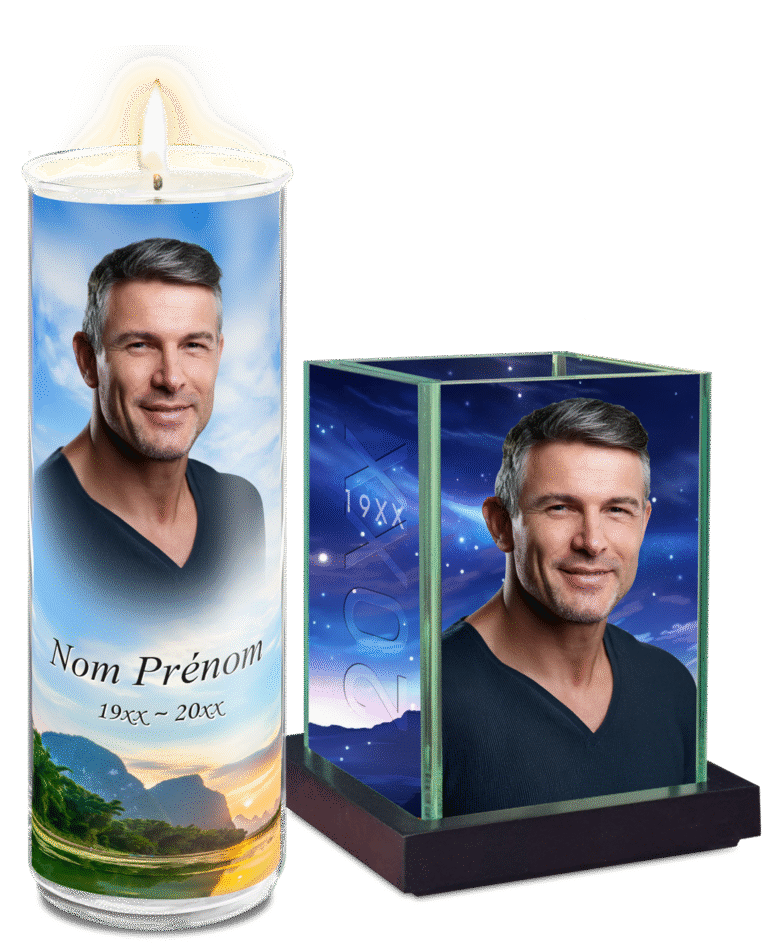
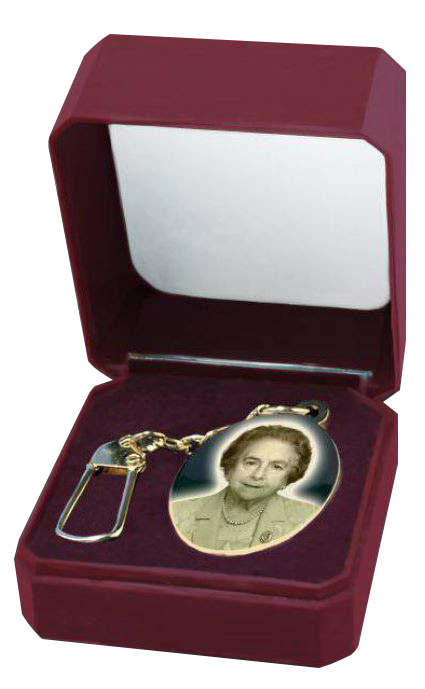
In this context, sharing ashes can allow several family members to preserve that bond in their own way. One person may feel comforted by keeping a small urn at home. Another may prefer an outdoor place. Someone else may want a discreet, intimate object that they can wear or keep.
This is not a rule. Even so, for some families, this division makes it possible to respect the variety of emotional needs.
And that can matter greatly in the grieving process.
The symbolism of ashes in family memory
Ashes often carry strong symbolic meaning.
After cremation, they represent what remains of the body, but also what extends the memory of the person. As a result, they occupy a unique place: at once material, emotional, and commemorative.
The symbolism of ashes can differ greatly from one family to another.
They may represent:
- the trace of a life
- a point of contact with memory
- symbolic continuity
- a lasting tribute
In some families, keeping or dividing the ashes also helps create a shared memory. Each person can then invest in a place, an object, or a ritual that reflects who they are.
This collective dimension is important. Death affects one person, but grief is often experienced by several people together. Within the same family, sensitivities may differ. Dividing the ashes sometimes makes it possible to accommodate these needs without imposing a single way of commemorating.
That is also why this practice can have a social value, in addition to its intimate significance.
Is it permitted to divide ashes after cremation?
It is a question many people search for online, and it is a legitimate one.
The answer depends on the country, and sometimes even on the region or municipality concerned.
What you need to remember
In many jurisdictions, it is possible to divide or scatter ashes after cremation, but certain rules apply.
In general, it is important to take into account:
- local laws
- rules regarding permitted locations
- respect for the wishes of the deceased
- consent, when the location is private
Points to check
Before scattering or dividing ashes, it is best to verify:
- whether the scattering of ashes is permitted in the intended location
- whether there are restrictions in public spaces
- whether private land requires authorization
- whether specific rules apply to rivers, forests, or natural sites
Respecting the wishes of the deceased
Beyond the law, another point remains essential: respecting, as far as possible, the wishes expressed by the deceased person.
Some families choose to divide the ashes because the deceased had requested it. Others make that decision together, in the absence of specific instructions, while trying to choose something consistent with the person’s values.
From both a human and an ethical standpoint, that respect remains central.
What should be done with ashes after cremation?
The question of what to do with ashes after cremation comes up often, because there is no single right answer.
Several options are available:
- keep the ashes in an urn
- place them in a columbarium
- bury them
- proceed with the scattering of the ashes
- divide the ashes among several loved ones
- incorporate part of the ashes into a memorial object
Choosing the most meaningful option
The best choice depends on several factors:
- the wishes of the deceased
- the family’s beliefs
- the need for closeness or, on the contrary, for symbolic release
- the applicable legal framework
Some people need a fixed place. Others find more peace in a ritual of scattering ashes. Still others prefer a mixed solution.
A decision shaped by meaning
What matters, ultimately, is that the decision feels meaningful to those living through it.
In many cases, families are not simply choosing a practical option. Rather, they are trying to find the gesture that best reflects love, respect, and memory.
Dividing ashes: a personal tribute, not a universal rule
It is important to remember that no single practice is right for everyone.
For some families, dividing the ashes will be a deeply comforting commemorative ritual. For others, by contrast, it may feel too emotionally difficult. Some will prefer to keep the entire urn in one place. Others will choose complete scattering.
There is no universal meaning.
The value of this choice depends mainly on:
- the intention
- the family context
- beliefs
- one’s relationship to memory
- the way each person experiences grief
That is why this subject always calls for sensitivity.
The right decision is not the one that seems most spiritual or most symbolic in theory. Instead, it is the one that respects the deceased and brings, as much as possible, a sense of peace to their loved ones.
FAQ on dividing ashes
What is the spiritual meaning of dividing ashes?
It depends on each person’s beliefs. Some people see it as a return to nature, a continuation of the bond, or a form of peace. Others see it above all as a personal tribute.
What is the difference between scattering ashes and dividing ashes?
Scattering ashes means spreading them in a chosen place. Dividing ashes means sharing them among several loved ones or several destinations.
Is sharing ashes common?
Yes, increasingly so. This practice responds to emotional, family, and commemorative needs, especially when several loved ones wish to preserve a symbolic bond with the deceased.
What should be done with ashes after cremation?
Several options exist: keeping them in an urn, placing them in a columbarium, burial, scattering the ashes, or sharing the ashes. The choice depends on the wishes of the deceased, personal beliefs, and the legal framework.
Is it permitted to divide ashes after cremation?
Often yes, but the rules vary depending on the country and the location. Therefore, it is important to check local legislation and respect the wishes of the deceased.
Does science recognize a spiritual meaning in ashes?
No, not in a religious or metaphysical sense. However, it does show that commemorative rituals and symbolic practices can help in the grieving process.
Conclusion
The spiritual meaning of dividing ashes does not rest on any universal truth. Instead, it depends above all on intention, beliefs, and the bond that loved ones wish to preserve with the person who has passed away.
For some, dividing or scattering ashes represents a form of peace. For others, it is above all an act of remembrance. In all cases, this choice is often part of a deeply human process: giving meaning to loss and honoring a life.
Scientific research does not confirm spiritual interpretations themselves. However, it does show that funeral rituals, symbolic tributes, and commemorative practices can support grief, strengthen continuing bonds with the deceased, and offer a certain sense of comfort.
Ultimately, the value of this gesture lies less in any doctrine than in what it makes it possible to express: attachment, respect, and memory.
For more information, do not hesitate to contact us, and we will be happy to respond as promptly as possible.