Inclusive Funeral Practices for a Multicultural Society
In today’s interconnected world, diversity is a defining feature of society. This diversity shapes how we celebrate life, mourn loss, and honor those who pass away. Inclusive funeral practices offer a meaningful way to acknowledge cultural, religious, and spiritual differences. By embracing these practices, we can build tributes that reflect a shared respect for humanity’s rich tapestry.
Cultural Diversity and Funeral Rites
Funerals are universal rituals, but their expressions vary significantly across cultures and religions. They serve as a vital bridge between tradition, personal beliefs, and the community. Understanding these variations is the cornerstone of inclusivity.
Differences in Religious Traditions
Religion heavily influences funeral practices. In Christianity, burial signifies hope in resurrection, whereas Hindu customs favor cremation as a path to spiritual liberation. Similarly:
Islamic and Jewish Traditions: Both emphasize swift burial following meticulous rituals.
Buddhism: Focuses on extensive ceremonies with prayers guiding the soul’s journey.
These differences underscore the importance of flexibility in funeral arrangements.
Indigenous Funeral Practices
Indigenous communities, particularly in Canada, blend spirituality and nature in their rites. For example:
Natural burials mirror a connection to the earth.
Ceremonies may include sacred songs and dances symbolizing life cycles.
Recognizing these practices is vital for respecting Indigenous traditions.
Expressions of Mourning Across Cultures
Mourning customs range from somber, quiet gatherings to celebrations filled with music and dance. For instance:
African Cultures: Often embrace vibrant, life-affirming ceremonies.
Secular Approaches: Highlight the deceased’s achievements and memories.
This diversity challenges the idea of a one-size-fits-all funeral.
Challenges in a Multicultural Society
Creating truly inclusive funeral practices is not without its obstacles. Societal structures and norms must adapt to accommodate varying needs.
Understanding Varied Needs
Funeral professionals must possess cultural awareness to address specific community requirements. For example:
Muslim families often request burial plots facing Mecca.
Sikh traditions include ash-scattering ceremonies after cremation.
West African communities may require music and dance as part of the service.
Legal and Regulatory Constraints
Local laws can limit the inclusivity of funeral options. Some restrictions include:
Outdoor cremations, prohibited in many areas.
Natural burials, constrained by environmental regulations.
Advocacy for updated legislation can help ensure inclusivity.
Family Conflicts in Multicultural Settings
Modern families often consist of diverse cultural and religious backgrounds. Disagreements over funeral arrangements are common, requiring skilled mediation to honor the deceased’s wishes while respecting all perspectives.
Solutions for Inclusive Funeral Practices
Inclusive funeral practices demand proactive solutions tailored to cultural diversity.
Cultural Awareness and Training
Empowering funeral professionals with knowledge and tools is a critical step. Key initiatives include:
Workshops on religious and cultural rites.
Collaborations with community leaders.
Practical guides for diverse funeral customs.
Personalizing Funeral Services
Personalization ensures that services resonate with different traditions. Innovative ideas include:
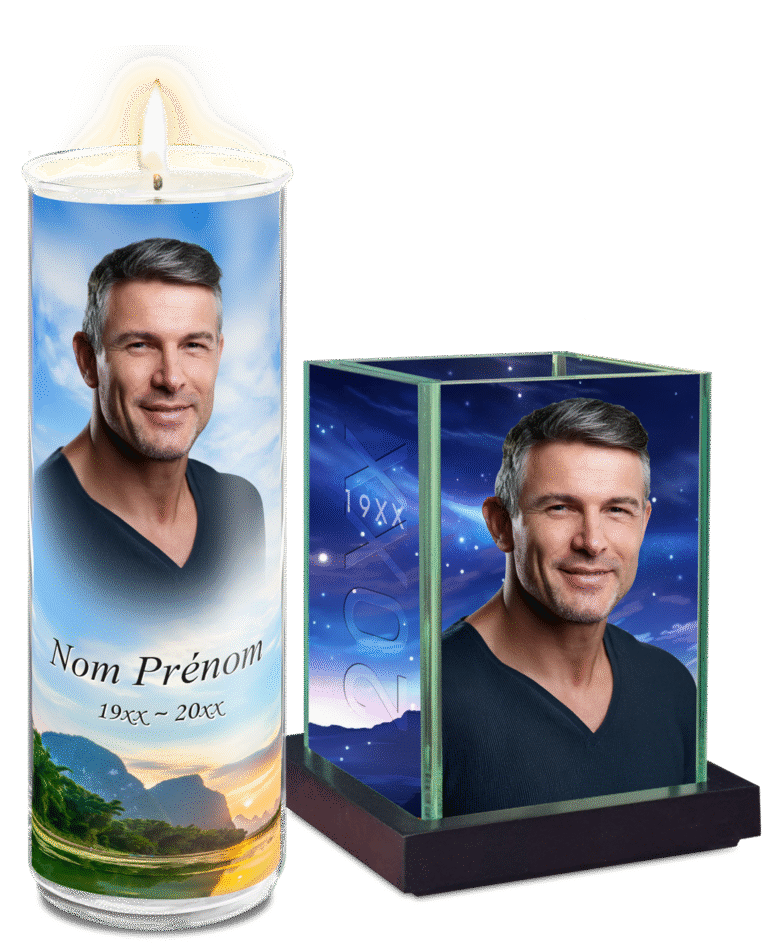
Coffins engraved with cultural or religious symbols.
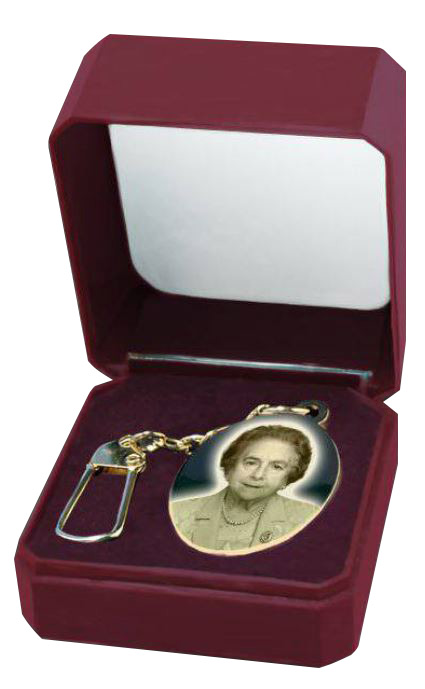
Multilingual keepsakes for attendees.
Flexible spaces designed to host diverse ceremonies.
Leveraging Technology for Inclusivity
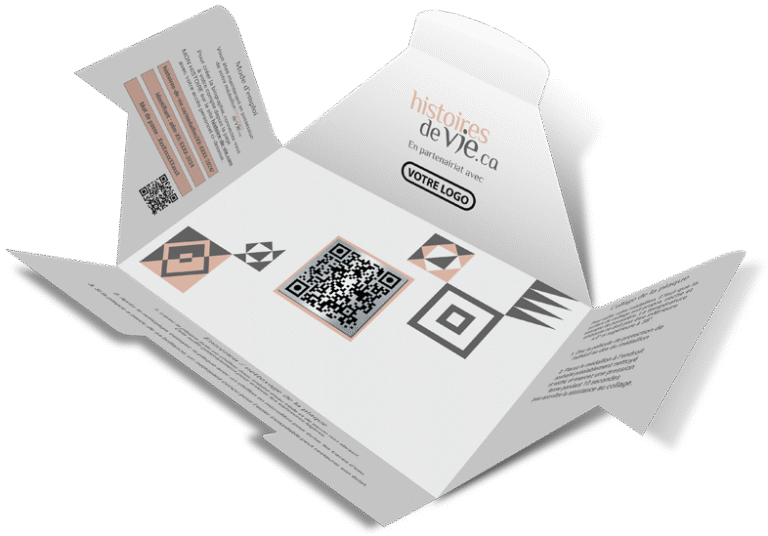
Les solutions numériques transforment les pratiques funéraires :
Inclusive funeral practices have far-reaching implications, shaping society’s values and fostering mutual respect.
Fostering Intercultural Harmony
Diverse funeral spaces become more than places of mourning—they symbolize coexistence. Such environments encourage understanding among individuals from different backgrounds.
Inspiring Future Generations
Adopting inclusive practices sends a powerful message of tolerance and unity. It reflects a commitment to preserving dignity and respect for all, paving the way for an inclusive future.
Inclusive Funeral Practices: A Modern Necessity
In regions like North America, characterized by multiculturalism, inclusive funeral practices represent both a moral and practical imperative. They offer an opportunity to celebrate life while honoring the profound differences that make each individual unique.
Conclusion
Inclusive funeral practices are more than just a trend; they represent a societal shift toward embracing diversity and compassion. As North America continues to grow as a multicultural society, the integration of these practices is essential for honoring every individual’s life and legacy. Together, we can create tributes that resonate universally while celebrating the unique journey of every soul.
FAQs
How do funeral professionals ensure cultural sensitivity? Professionals achieve this by undergoing cultural training, collaborating with community leaders, and consulting families directly to meet specific needs.
What role does technology play in modern funerals? Technology enhances inclusivity through virtual ceremonies, digital memorials, and online planning tools, allowing families from diverse locations to participate.
Are eco-friendly funeral options widely available? Yes, options like biodegradable caskets, tree burials, and natural cemeteries are increasingly popular and available in many regions.
How do legal constraints affect inclusive funerals? Certain practices, such as natural burials or open-air cremations, may conflict with local laws. Advocacy and legislative updates are essential to overcome these barriers.
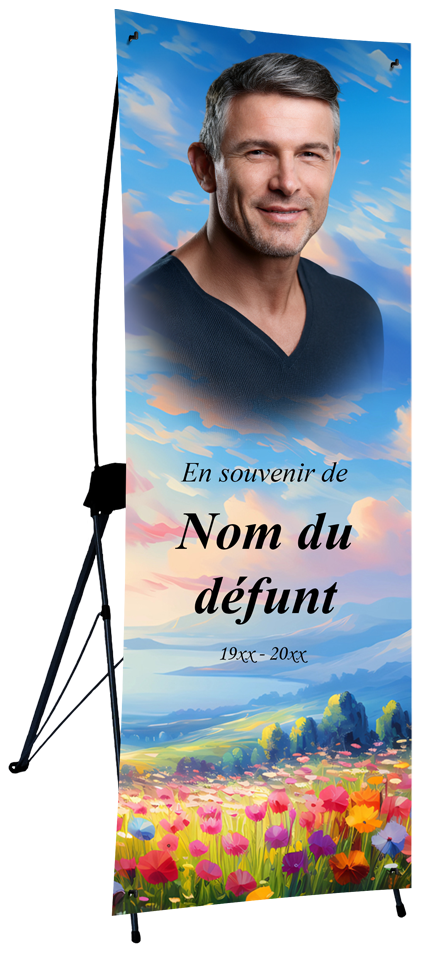
What are some personalized funeral service ideas? Customized coffins, multilingual keepsakes, and culturally symbolic decorations ensure services honor individual beliefs and traditions.
Why is inclusivity in funerals important? Inclusivity respects cultural diversity, fosters mutual understanding, and reflects societal values of equality and dignity.
For more information, do not hesitate to contact us, and we will be happy to respond as promptly as possible.