Commemorative Objects and Intergenerational Transmission
Collective memory is the lifeblood of any society. It preserves values, family narratives, and cultural traditions, passing them down from generation to generation. Commemorative objects—those tangible artifacts imbued with meaning—serve as powerful tools in this transmission process. These items act as more than physical mementos; they become bearers of emotional heritage, family stories, and cultural legacies. Whether it’s a vintage locket, engraved photograph, or personalized jewelry, these objects connect generations in deeply personal and meaningful ways.
In this article, we’ll explore the profound role that commemorative objects play in intergenerational transmission. From their emotional and cultural significance to their evolving forms in modern times, these treasures reveal the indelible bond between past, present, and future.
Commemorative Objects: Bridges to Collective Memory
The Materiality of Memory
Commemorative objects bring the intangible—love, memory, and connection—into the physical realm. They capture emotions and preserve the essence of moments, allowing memories to be shared across generations. A locket containing a photograph or a lock of hair, for instance, becomes more than jewelry; it becomes a vessel for love and remembrance.
Unlike oral traditions that may fade or change over time, commemorative objects provide a permanence that ensures stories and emotions endure. Their significance deepens with each generation, layered with new narratives and interpretations that make them even more precious.
A Cultural and Familial Heritage
These objects often represent more than personal memories. They encapsulate a family’s shared identity and cultural values. For example, a family ring passed through generations might symbolize loyalty, resilience, or love. Such heirlooms serve as tangible reminders of the wisdom and traditions that elders wish to impart to future generations.
Through commemorative objects, families can pass down not only stories but also moral teachings, cultural practices, and shared aspirations. They act as silent yet steadfast guides for younger members navigating life.
The Psychological Impact of Commemorative Objects in Grief and Identity
Objects as Emotional Anchors
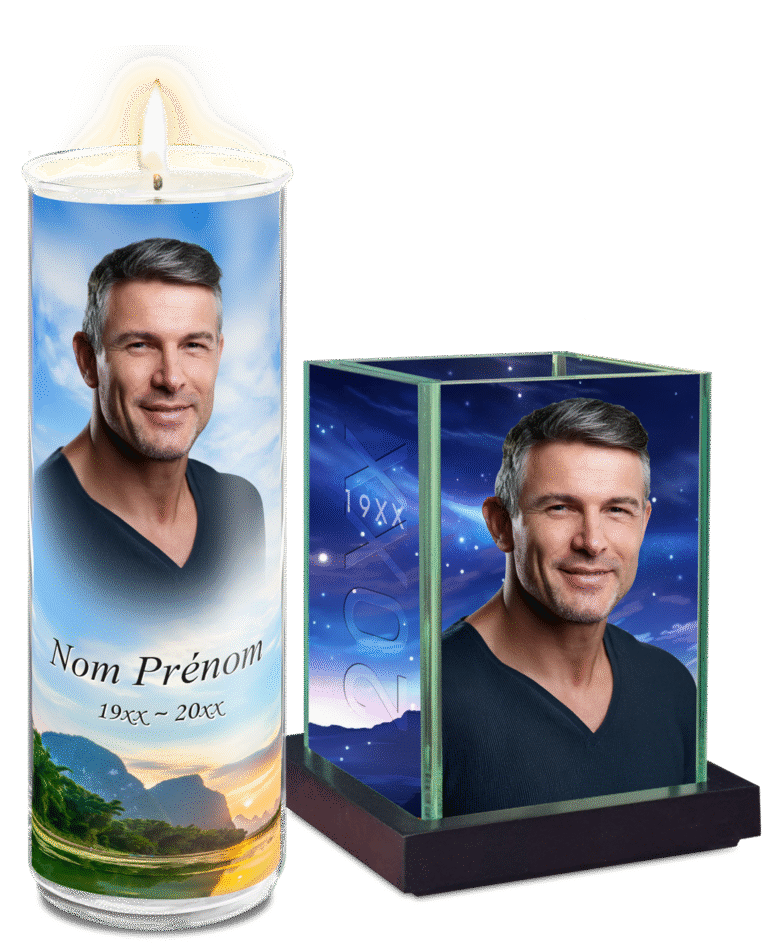
In times of grief, commemorative objects provide solace. A simple object—such as an engraved candle or a framed photograph—can serve as an emotional anchor, helping individuals cope with loss. These items rekindle happy memories of a loved one, bringing comfort during tough times.
For children and grandchildren, commemorative objects can bridge emotional gaps with relatives they’ve never met. A grandfather’s pocket watch or a grandmother’s handwoven blanket can foster a tangible connection to their lineage, making family history feel real and relatable.
The Role of Objects in Identity Formation
Commemorative objects do more than evoke memories; they shape our sense of self and belonging. By connecting us to a lineage of values, beliefs, and struggles, they remind us that we are part of something greater than ourselves. This connection strengthens resilience and self-esteem, particularly in families or cultures where historical continuity is under threat.
When a family’s commemorative items are lost or forgotten, there’s a palpable sense of disconnection. In contrast, safeguarding these objects strengthens not only family ties but also individual identity.
The Evolution of Commemorative Objects: From Tradition to Modernity
Traditional Practices
For centuries, humans have sought ways to preserve memories of the deceased. Traditional commemorative practices included engraved tombstones, relics, or painted portraits. These items carried immense emotional and symbolic weight. A portrait, for instance, wasn’t merely decorative—it was a testament to a loved one’s life and legacy.
These traditional objects also bore cultural significance. Tomb engravings, tribal artifacts, or religious relics often reflected communal values, ensuring that the departed remained present in the lives of the living.
Modern Innovations
With technological advancements, commemorative objects have evolved into more personalized and innovative forms:
Engraved Photos on Ceramics: These durable, weather-resistant tributes often adorn graves or memorial sites.
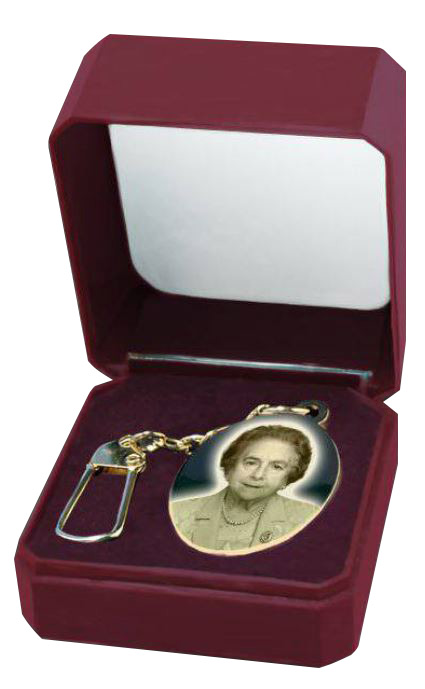
Memorial Jewelry: Pendants containing ashes, fingerprints, or hair strands transform loved ones’ essence into wearable keepsakes.
Digital Commemorative Objects: Video montages, digital photo albums, and virtual memorial platforms enable dynamic storytelling.
Custom Urns: These now feature engravings, quotes, or artistic motifs celebrating a person’s individuality.
Modern commemorative practices provide limitless customization options, allowing families to honor their loved ones in ways that resonate personally and culturally.
Commemorative Objects and Cultural Transmission
A Vehicle for Traditions
Commemorative objects serve as vital tools for transmitting cultural practices and values. In Indigenous communities, for example, masks, sculptures, or ceremonial artifacts preserve sacred stories and teachings. These items act as custodians of a group’s cultural identity, ensuring its survival amid an ever-changing world.
In more diverse, multicultural societies, commemorative objects have also adapted to reflect blended traditions. Families can now design objects that honor their unique mix of heritages, making these items even more meaningful.
Fostering Inclusion and Diversity
As funeral and memorial practices evolve, the commemorative objects industry increasingly reflects cultural diversity. Families of varying faiths, traditions, and beliefs can now create keepsakes that align with their values. This inclusion fosters a more personal connection, ensuring that these objects remain relevant to all communities.
The Benefits of Commemorative Objects on Family Relationships
Strengthening Intergenerational Bonds
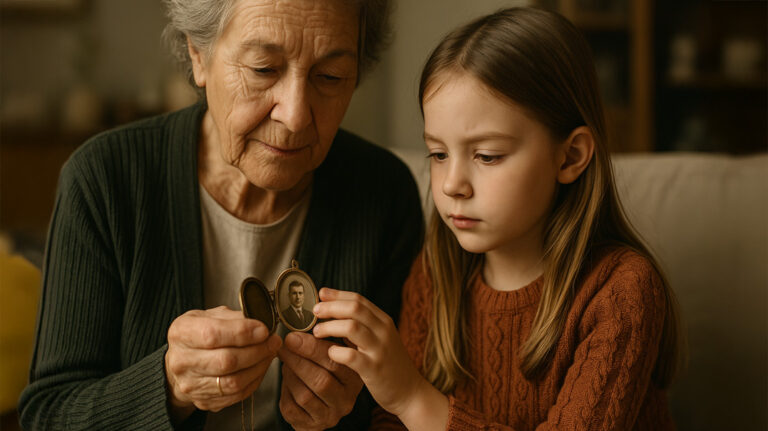
When a grandmother hands her locket to her granddaughter, the object becomes a bridge between generations. This act of sharing is often accompanied by storytelling—an opportunity to pass down family lore, share lessons, and celebrate shared experiences.
These moments are invaluable for nurturing relationships. The locket becomes not only a keepsake but also a living connection to family history.
Celebrating Memories Together
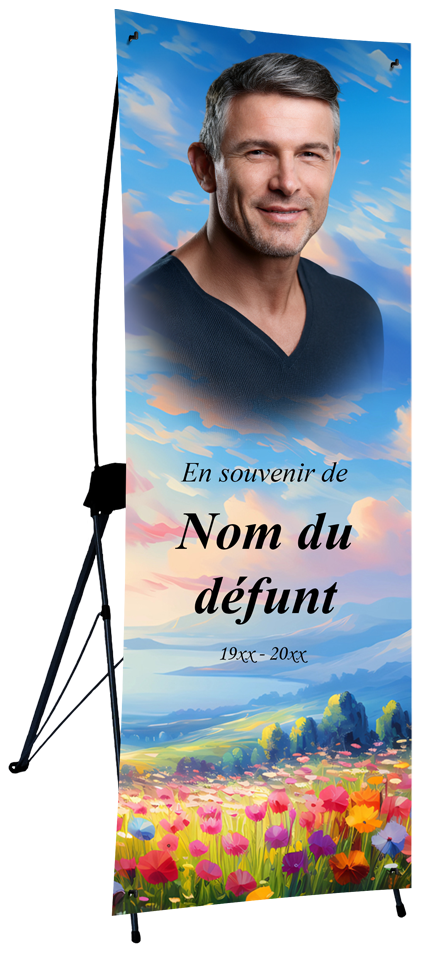
Commemorative objects can also bring families together during moments of collective remembrance. Memorial events that include candles, framed photographs, or other keepsakes create opportunities for shared reflection. Families can bond over memories, adding new layers of meaning to the objects they treasure.
Conclusion: Tangible Memory, Lasting Legacy
Commemorative objects play an essential role in preserving and transmitting memories, values, and emotions across generations. Whether rooted in ancient traditions or enhanced by modern technology, these objects offer a tangible connection to the past. They remind us of the enduring power of collective memory—a bridge that links yesterday’s stories to tomorrow’s dreams.
In a world where everything seems transient, commemorative objects serve as anchors of permanence. They are not just material possessions but keepers of love, heritage, and identity. By embracing their significance, we ensure that the legacies of our loved ones continue to inspire and enrich future generations.
FAQs
How do I choose a commemorative object? Choose an item that reflects the personality and values of the loved one. A piece of engraved jewelry or a personalized urn can symbolize their unique character and beliefs.
Are digital commemorative objects a good alternative? Yes, digital memorials such as video albums or virtual books are excellent options. They allow families to compile photos, messages, and stories in a dynamic, accessible format.
Why are commemorative objects important in grief? They act as emotional anchors, providing comfort and positive memories for grieving family members. By keeping a loved one’s essence close, these objects help ease the pain of loss.
Can commemorative objects be personalized? Absolutely. Many companies specialize in customization, offering engravings, fingerprint imprints, or unique designs to make the object truly special.
What are the most popular commemorative objects today? Popular choices include memorial jewelry, engraved candles, personalized photo frames, and custom urns. Each option offers a unique way to honor and remember loved ones.
Are commemorative objects durable? Yes, particularly those made from robust materials like ceramics, precious metals, or high-quality glass. These items are designed to stand the test of time.
For more information, do not hesitate to contact us, and we will be happy to respond as promptly as possible.